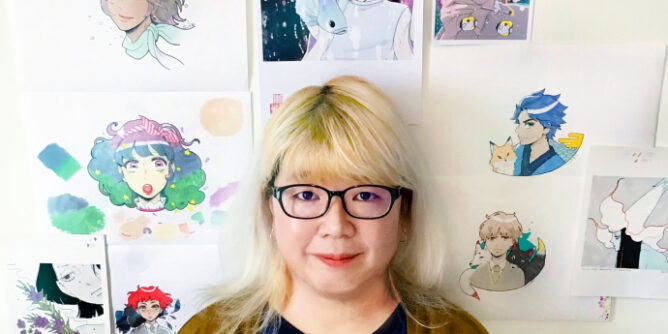
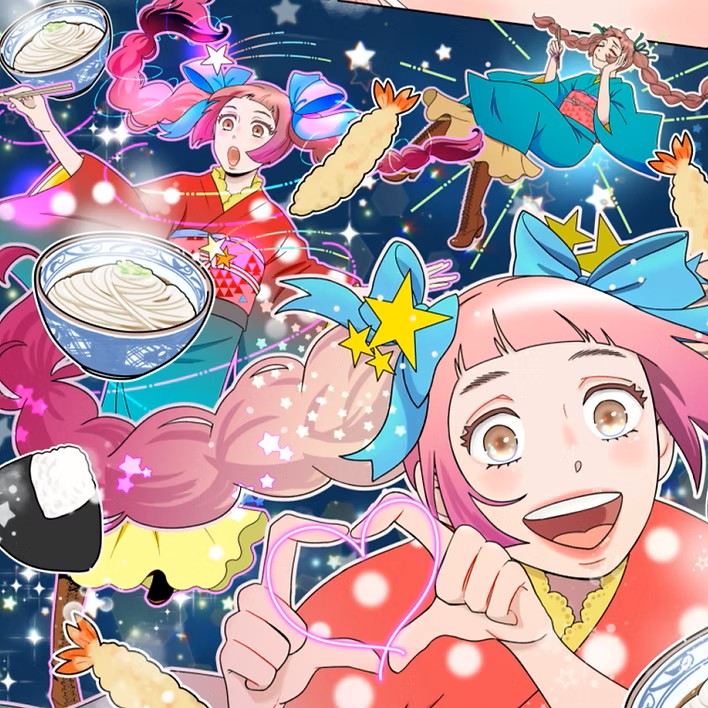
The versatile Japanese-born artist Chie Kutsuwada will lead a manga course during this year’s Bergen Tekst & Tegning (BTT) festival. Serienett had a talk with her.
(Headline photo borrowed from Chie Kutsuwada)
You work across a wide range of genres, from samurai stories and horror to boys’ love (yaoi) and romance. What draws you to such different kinds of stories, and what connects them as part of your work as an artist?
I simply have a wide range of interests and love taking on new challenges. I find it both challenging and fascinating to interpret different stories in my own way.
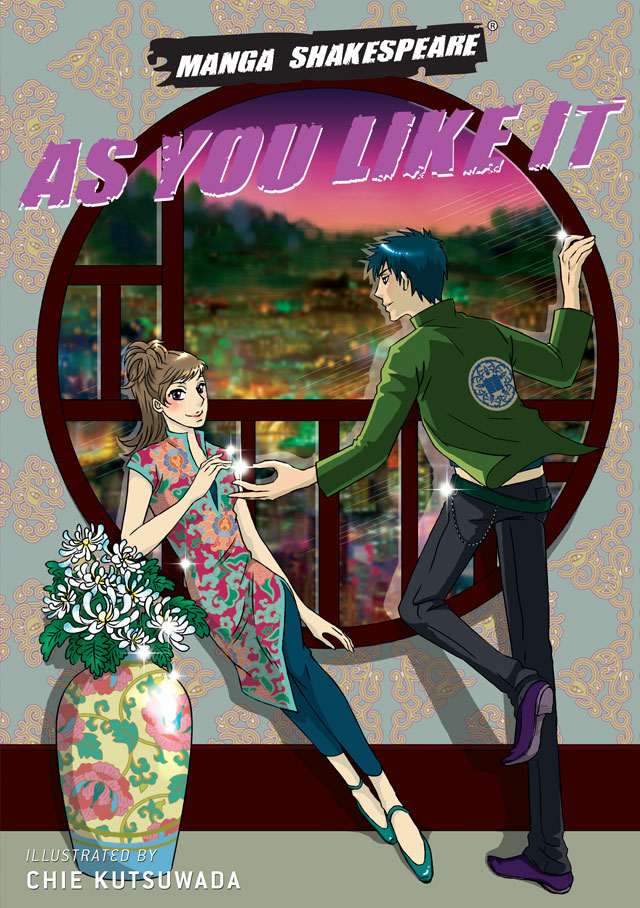
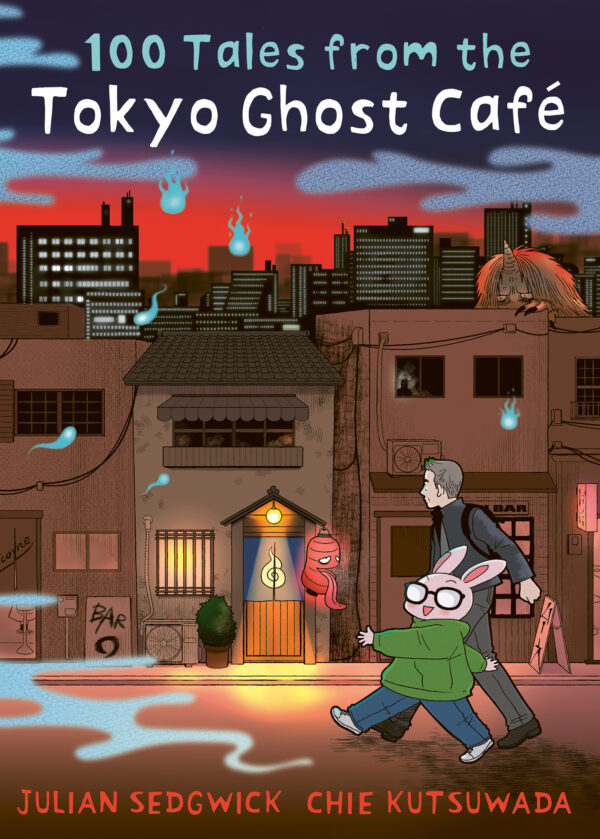
You have adapted literary classics, including Shakespeare’s “As You Like It” and his sonnets, into manga. What can comics bring to a classic text that might be difficult to convey through literature alone?
Accessibility. Classic literature has been loved for generations for many good reasons, but some readers may need a little bridge to connect with these works. Manga/Comics adaptations can provide that bridge through visual storytelling, helping readers engage with the characters and stories in a more immediate way. I find it fascinating to use my art to make these stories more accessible to a wider audience.
(Clck here for more videos from Chie)
You have explored the «Boys’ Love» genre, which focuses on romantic relationships between men. What do you find appealing about this genre, and has your understanding of it changed over the years?
Looking back on the time when I was really into the Boys’ Love genre, I think I was looking for some distance from the heterosexual romances portrayed in manga. I felt that these stories were often tied to the social pressures placed on women in Japan.
I also simply loved, and still love, drawing beautiful men — in many different senses of the word
However, the genre has always been somewhat controversial because it often fantasises about gay men, who obviously have their own lived realities. I’ve been thinking about this issue for a long time. But when some gay manga fans told me that they enjoyed Boys’ Love, I began to feel that the genre had the potential to move and resonate with both gay readers and those outside the LGBTQ+ community.
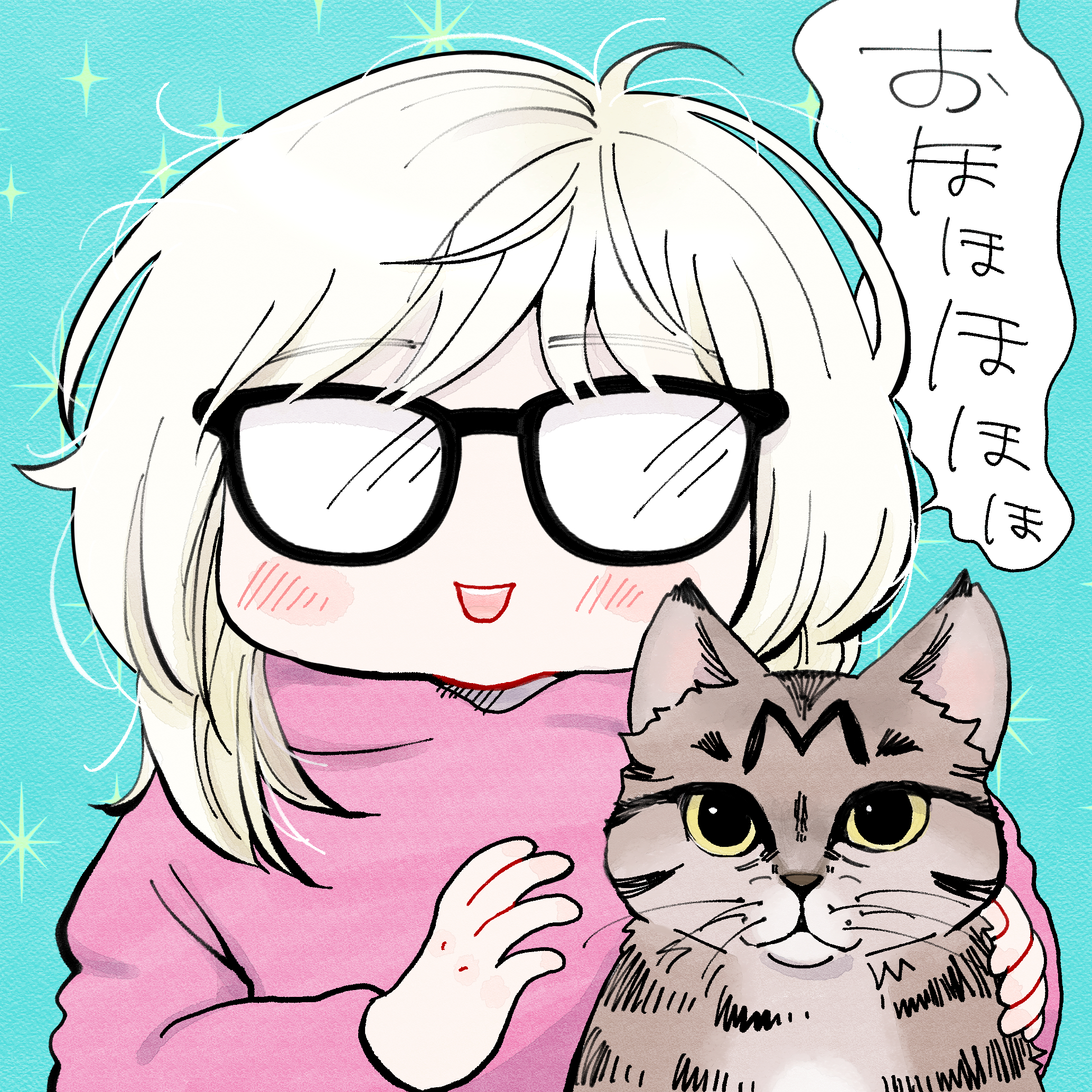
You have worked both on your own stories and with scripts written by others. How does collaborating with a writer influence your visual storytelling compared with writing and drawing a story yourself?
It is both fun and challenging to work on someone else’s story. It’s rewarding because it gives me new perspectives that I might not discover if I were working on my own.
When I work on my own stories, I tend to draw things I love and create stories that appeal to my own interests. However, this can sometimes be limiting, as my work might become repetitive. Working on someone else’s story allows me to draw things I wouldn’t normally draw, which helps me broaden my artistic range and improve my skills.
You have lived and worked in the UK for many years. What has being part of a different comics scene taught you about manga as an art form and about your own strengths as an artist?
When I was in Japan, I didn’t really think about what makes manga unique because it was simply part of everyday life. But after moving to the UK, I discovered many other wonderful forms of comics and, at the same time, began to realise just how unique manga culture is.
Having said that, I believe cultures are always evolving. I’m happy to learn from and embrace different comics cultures, and I also love seeing people incorporate elements of manga into their work to create something new and hybrid.
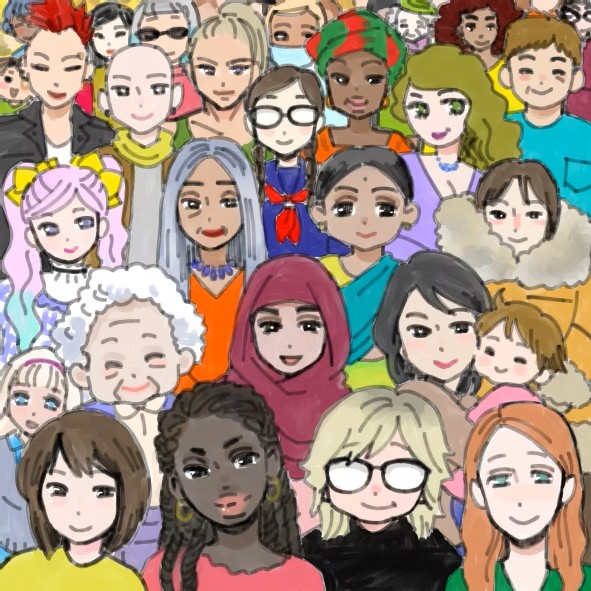
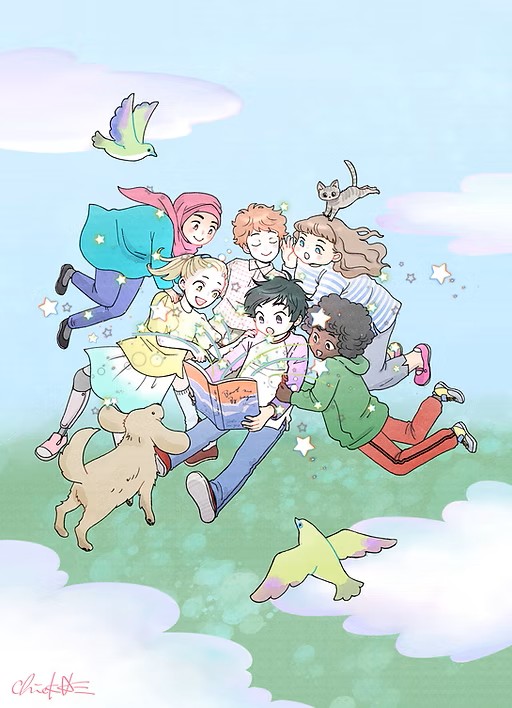
You have previously observed that manga readers outside Japan often stick to established favourites, while readers in Japan are more inclined to seek out new titles. Do you still recognise this difference today, and how does it affect the work you choose to create?
Yes, I think that tendency still exists. However, the time lag has almost disappeared, so readers outside Japan are now discovering new and sometimes niche manga published in Japan much more quickly.
I don’t think this makes a huge difference to the work I choose to create. I love discovering new things, but I also know what I love, and some of those things remain unchanged by outside influences.
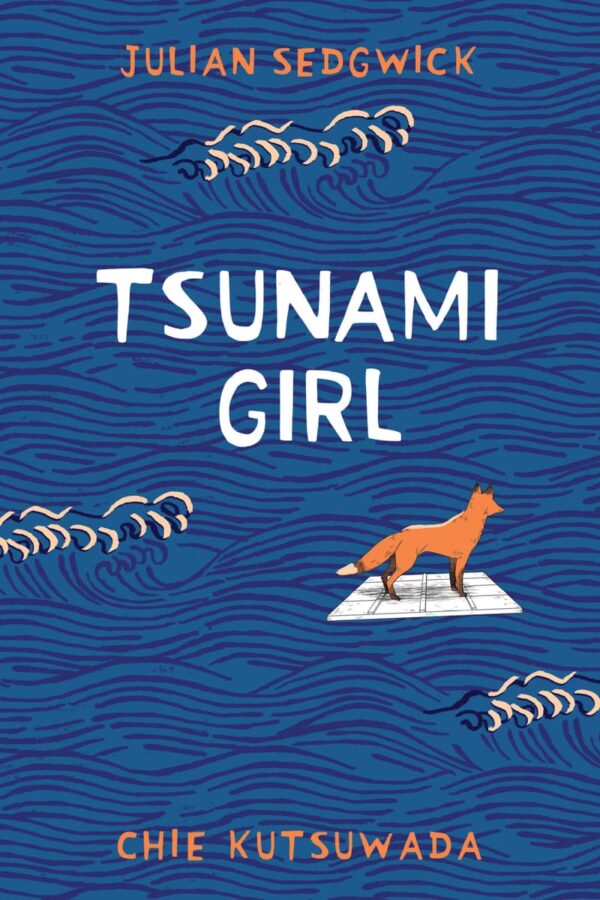
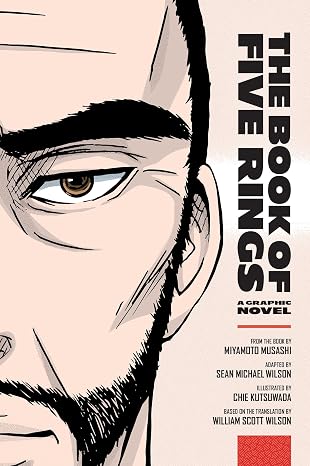
Manga is often seen as a distinctly Japanese art form, yet you also use it to tell stories drawn from Western literature. What, in your opinion, makes a comic manga? Is it the drawing style, the storytelling techniques, the reading direction, or something else?
I think what makes manga unique is its focus on characters’ feelings, including how delicately their facial expressions and body language are portrayed, as well as the way each panel is framed and composed.
When teaching beginners, what do you think is most important to complete first: drawing faces and characters, composing a page, or telling a compelling story?
Enjoying drawing and the creative process is obviously the most important thing. It’s also important to have the courage to finish your first manga, even if you feel that your drawing skills and storytelling techniques aren’t good enough yet.
From a technical point of view, if you want to improve your drawing skills, don’t draw mindlessly. Use your brain as well as your hands. Your thought process shows in your drawings.
When it comes to creating manga pages, I think it’s important to imagine that people who don’t know you will read your work. You need to look at it critically and ask yourself whether readers can understand what’s going on. That’s the first step towards creating a well-composed page.
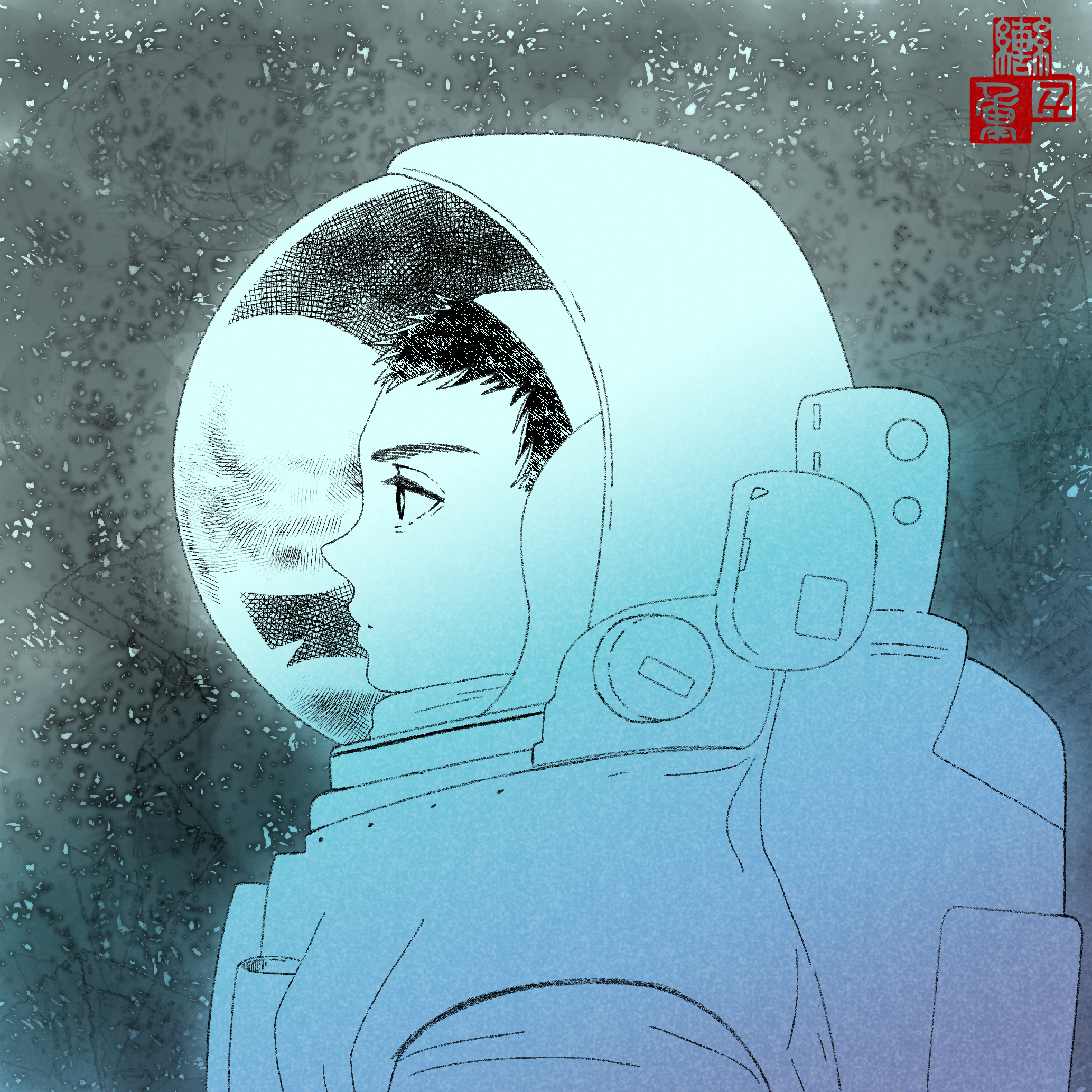
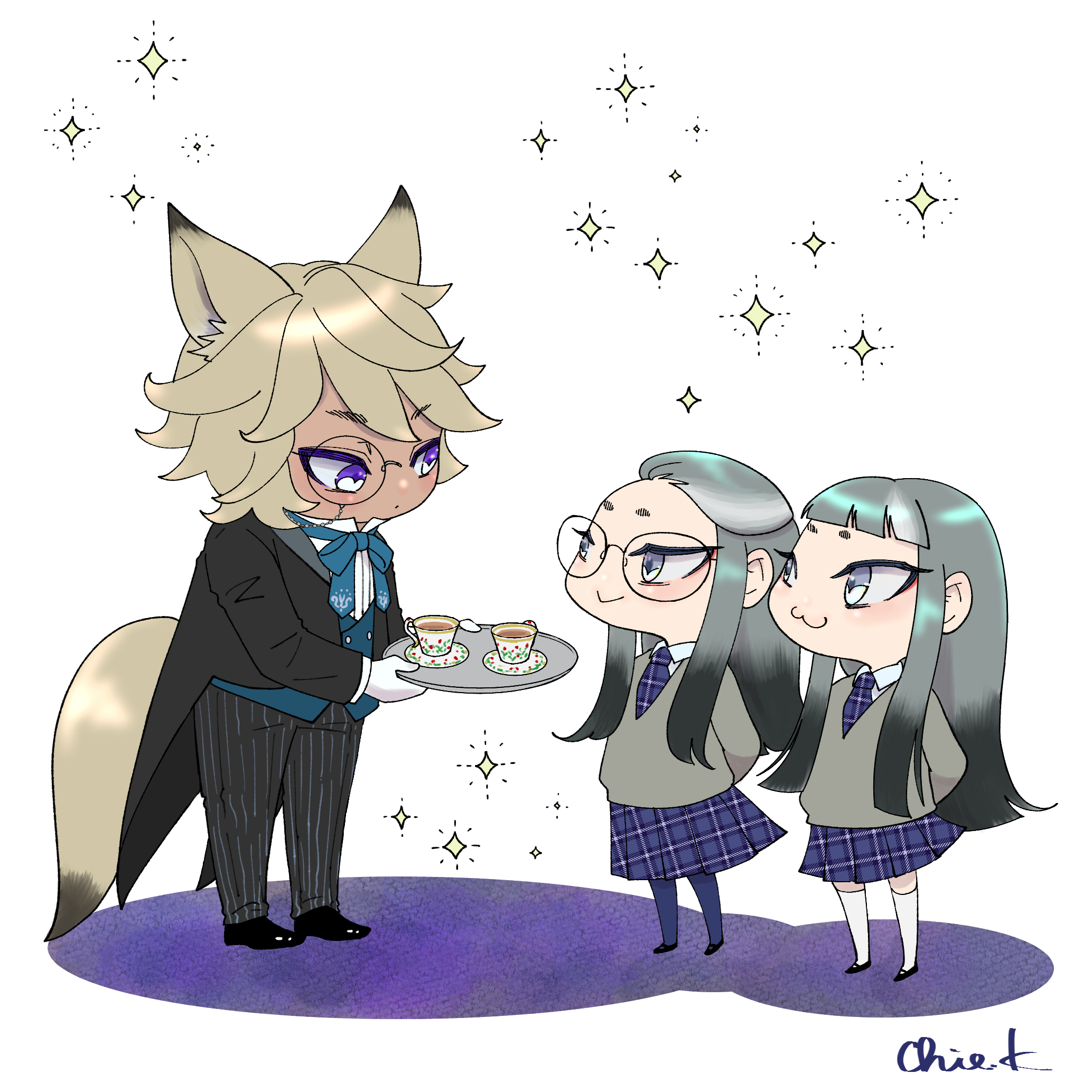
Many people who attend manga workshops already have strong ideas about what manga should look like. How do you encourage them to develop their own style rather than simply imitate their favourite series?
I simply tell them not to copy a single art style. I often encourage them to take elements they really like from lots of different manga/comics and mix them together. I also tell them to explore not just manga but other things too, such as different forms of art, literature, film, music, science and anything else that interests them. If you keep your eyes open and expose yourself to a wide range of influences, you’ll naturally develop your own style.
You teach manga in a cultural context quite different from Japan. Do you find yourself having to explain cultural references and storytelling conventions, or can the visual language of comics transcend cultural boundaries?
It really depends on the participants. For example, when I visit a school where all the students are required to attend my workshop, I include some explanations of cultural references and other background information. However, when I work with people who already understand manga and want to learn how to create their own, they often don’t need any additional cultural context.
I think the visual language of comics can cross cultural boundaries, but a little cultural context can sometimes help readers appreciate a story more fully.
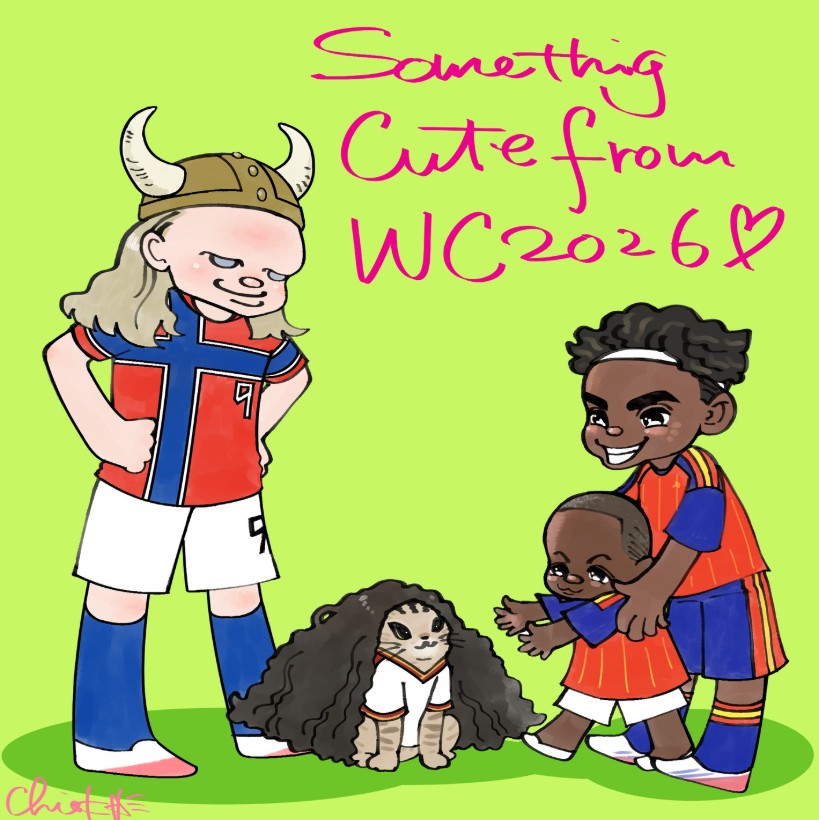
What do you hope participants will take away from your workshop in Norway? And is there anything you hope to learn yourself from meeting Norwegian comic artists and manga readers?
Manga is one of the best mediums for expressing emotions. I think that’s why people love it. And expressing your characters’ emotions also means engaging with your own emotions. So, I’d like participants to experience how feelings can be expressed through the unique visual language of manga.
I’m always on the lookout for new inspiration, new ideas and new ways of doing things — anything new! This is my very first visit to Norway, so I’m really looking forward to meeting Norwegian comic artists and manga enthusiasts!
 Vi sender deg noen godbiter omtrent annenhver uke, og bruker