
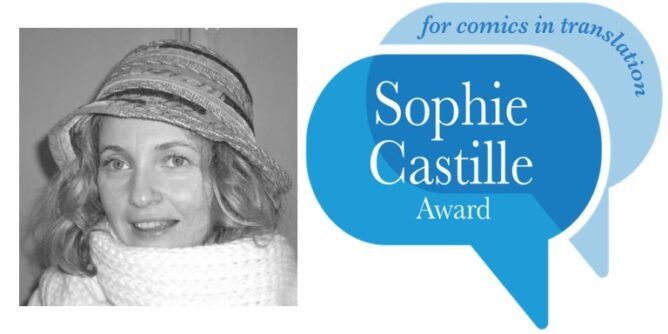
In November, the first Norwegian Sophie Castille award will be handed out during the comics festival Bergen Tekst & Tegning (BTT) in Bergen. We have been talking to the awards coordinator, Ivanka Hahnenberger
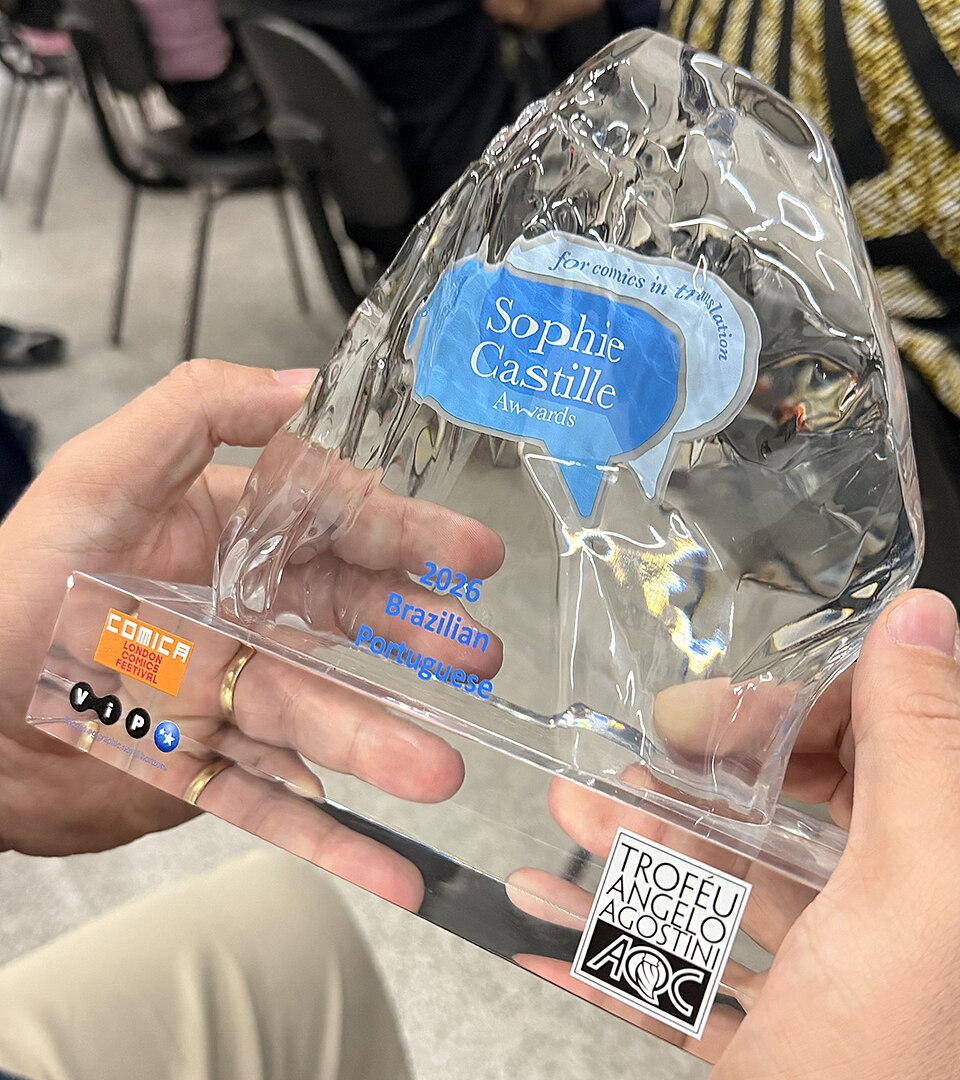
-More often than not, awards for translated works are given to the publisher or even the editor of the translation but not the translator, Ivanka begins. – This is why the Sophie Castille Awards were created to give the translators the award, the trophy.
The Sophie Castille Awards are given to translators for the best translated comic in a given language in a given year. There are eleven awards, in eleven languages, at ten host events. Ivanka is hoping to announce a twelfth country soon, and they want more countries/hosts to join the awards:
-These awards are quite big now. It is an incredible opportunity for a partners, as the awards are, to date, hosted by events that draw well over 630,000 readers combined.
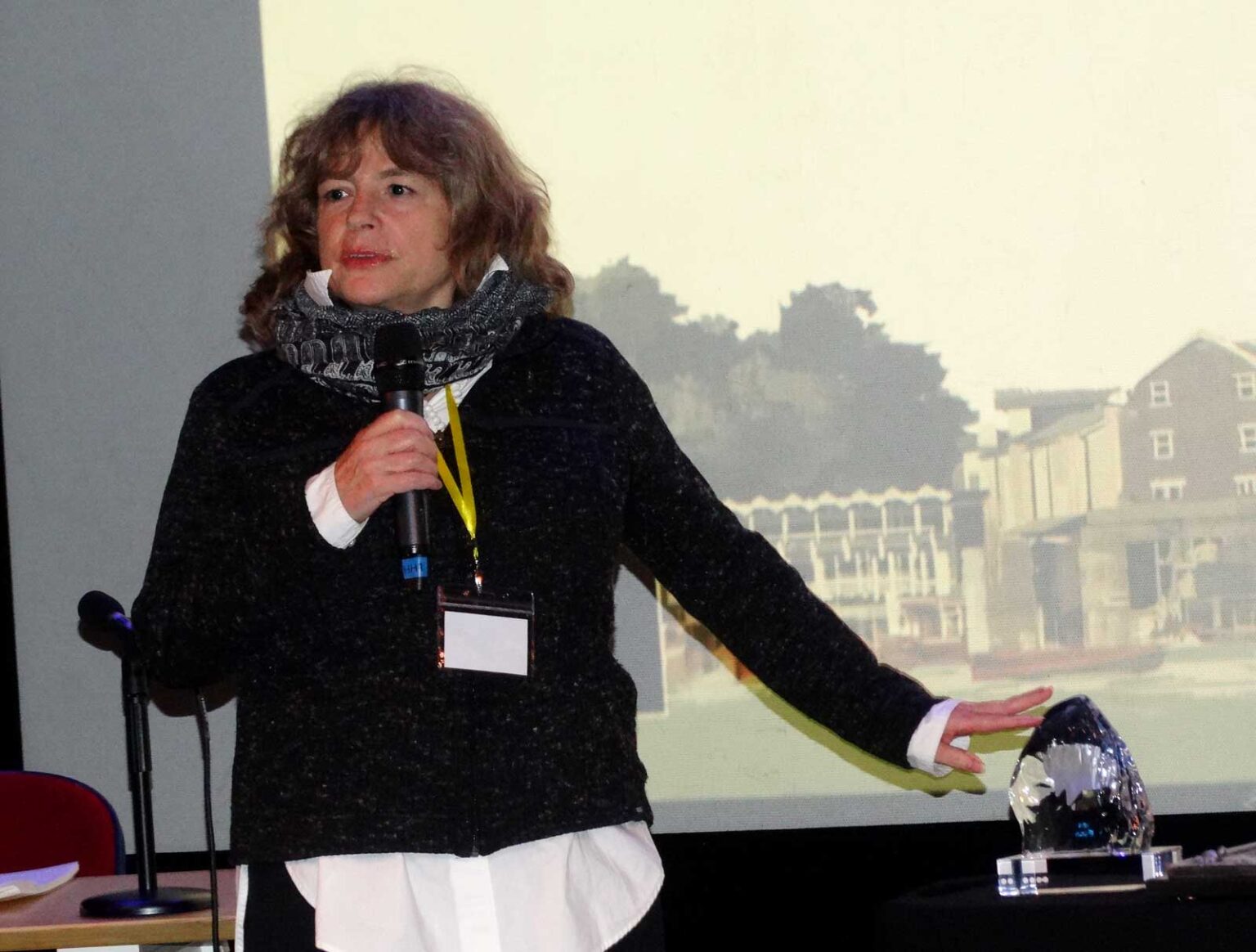
They are also looking for partners and sponsors to help further initiate of the Sophie Castille Foundation:
I would like the Sophie Castille Awards to roll into a foundation which will make international comics more recognizable. The first two projects we are developing are silent comics handed out in refugee camps to bring a little joy into people’s lives. Silent- so there is no need for language or the ability to read.
We also have another project, «Comics-on-stage», where we are projecting images of comics pages on a screen behind actors that read the parts. We select foreign comics and the actors read the English version. It premiered in New York City last year with The Drilling Company, and was quite a success.
Being a translator herself, she describes the job as very exciting but difficult:
– It demands very high integrity and a dedication to words, writing, contemporary or epoch speaking. A bad translation can ruin a work. And there’s a phenomenon that people often ignore – If you stumble, you fall. By that I mean that if a reader stumbles over a word, a sentence or a phrase, anything, you’ve lost the reader.
Boxed in
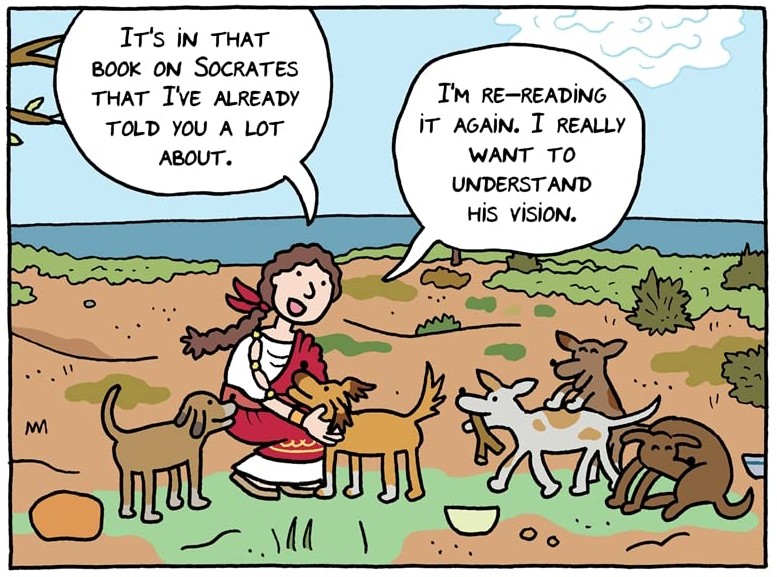
Also, a comics translator has little wiggle room, in her experience. You can’t flip things around or add things. The bubbles are the bubbles, the speakers are the speakers, and the images guide the story. The translator is boxed in.
She believes the profession is highly underrated. A.I. can’t handle it by itself:
-It.s very difficult to get things to sound right, especially dialogue, to make it sound like people talking. It gets clunky and awkward easily, it’s hard to make it sound natural. I hate to refer to A.I., but it’s no longer the elephant in the room, it is the room. Yes, A.I. is nipping at our heels, but it’s not there yet at getting the natural flow of things. There are just ways people speak and write that are organic. And getting it to sound right, to sound like the original author’s “voice” or “persona” and not your own, have it flow, that is a brain twister every time.
Sophie Castille was director of foreign rights for the Franco-Belgian comics publishing houses Dargaud, Dupuis and Le Lombard. She was co-founder of the comics and graphic novel digital venture Europe Comics, a consortium of 13 European comic book publishers. Sadly, this industrious individual died too early on July 11, 2022, at the age of 51. Ivanka initiated an awards project that was named after her, and it was awarded for the first time the following year.
Ivanka explains why she thinks this was earned:
-I was an industry colleague of Sophie’s and deeply, deeply respect everything she did for internationalizing comics. And not just spreading French and MediaParticipation comics around the world, but her dedication and determination to get comics from all over the world to be read in other countries. She set a wheel in motion that has really changed the international comics scene. Her work influenced the number of titles that are translated in the world at large, and I wanted her work to be remembered and carried on in her memory. She was extraordinary and globally renown, and I wanted to create something to reflected that.
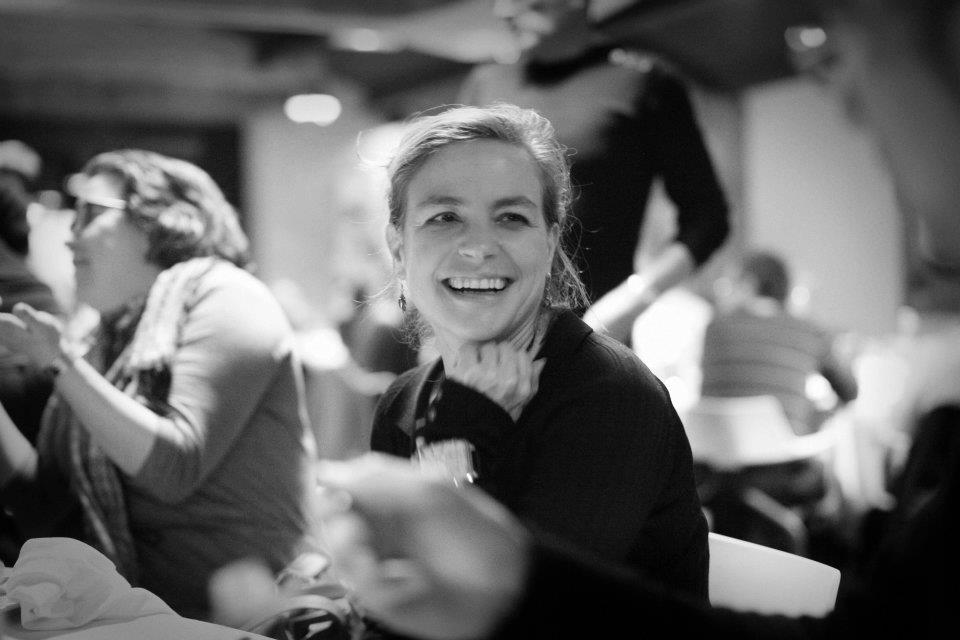
What is the most difficult aspect of translating a comic?
-Ensuring that it’s smooth, that the voices are different and the language is compelling to readers in the local country, and that it ‘s not the translator’s writing but the original writer’s.
When it comes to things like humor, puns, dialects, or cultural references, that varies from comic to comic, as a work hangs together. Those things are not isolated in a piece of work. It all ties together, so the handling of these issues must be tailored to each work, andit’s always challenging.
Feeling of euphoria
-Sometimes you just can’t translate them, so you do your best, but I will admit that those elements are the most fun to do. You can spend hours on one word or joke, but when you crack it, you are very happy. It’s almost a feeling of euphoria. Sometimes it happens when you’re away from the keyboard. It happens to me in the typical places: the shower, riding my bike, shopping, museums. And when it happens you stop what you’re doing and write it down, or it will go away as quickly as it came.
Translators are often referred to as the invisible workers of the literary world. Why is it especially important to make them visible through an award like this? Because they can make or break the international success of the title. And this needs to be recognized.
And now the Sophie Castille Award is coming to Norway. An organization like Serix (arrangers of Bergen Tekst & Tegning) would not make the decision to add an award like this if they did not see that this would be pleasing, or draw people and publishers to their event, Ivanka believes.
–
So this tells me that there is a growing interest in comics and comics in translation in Norway. That’s my gut speaking, I have no facts to back it up. I do hope that it will encourage publishers to release more international comics, but I certainly hope that it will get more people to read international comics. Awards do draw sales, and we hope this will increase both sales and the appeal of comics in general. Norwegians read a lot of international works, and have a respect for foreign works, perhaps this award will lead then to read more comics from foreign countries. Which is what Sophie strived for.
If Sophie Castille could’ve been present when the first Norwegian award is being presented in Bergen on Saturday the 7th of November, what do you think would concern and interest her the most?
-Probably to see how many comics were nominated, and the variety. And I know she would be saying: But wait until next year, there will be even more!
Find out more about the awards at www.sophie-castille-awards.org/
 Vi sender deg noen godbiter omtrent annenhver uke, og bruker







Siste kommentarer